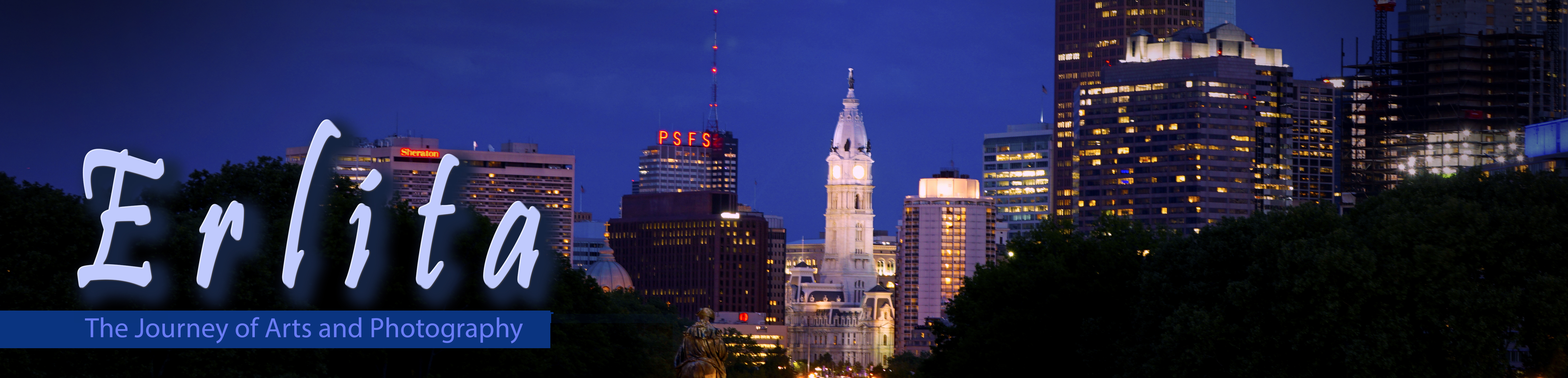


Two Toned City Hall Tower
Have we ever been wondering about, why the top of City Hall - a 200-foot metal structure atop a 347-foot stone edifice -“is a completely different shade of white than the rest of the building? Was it an oversight during a renovation project or is there a technical reason?” Actually, the answer to both questions is yes. Renovation required a change in materials used for the City Hall tower’s skin, but the designers of City Hall never meant the fact to be quite so noticeable. The work on the tower, from the clock level up to the observation deck was covered with cast iron, was planned to replace some of the [nearly] 4,000 iron plates, but instead, it replaced almost all of them with a new skin of steel. Most of the 3,900 iron plates were replaced with about 2,000 copper-and-zinc-coated plates. The redesign with fewer plates was intentional; there would be fewer niches and spaces where rainwater could accumulate and cause corrosion. The plates were electroplated and were to be covered with a state-of-the-art paint that would last 50 years or more, the kind of hardy, nearly indestructible paint used for bridges, ships, and airplanes. The thing is, the company that developed the paint made it in just three colors: white, dark gray, and light gray. Officials of the city’s Art Commission chose the light-gray hue and thought about “warming up the color" to match the stone of the main building. But they could not find a way to do it. So the light-gray paint went on the copper plates before being topped on the refurbished tower. It had taken six years (1984 – 1990) and $26.5 million to refurbish Philadelphia’s City Hall tower.