We are all different
We are all different which is great because we are all unique.
Without diversity, life would be very boring. (Catherine Pulsifer)
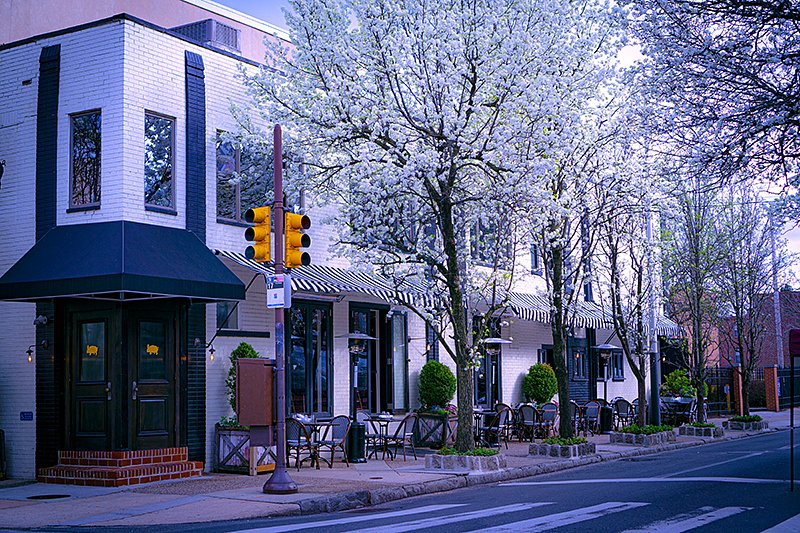
2021 Dine out
Sometimes you have to accept the fact that certain things will never go back to how they use to be
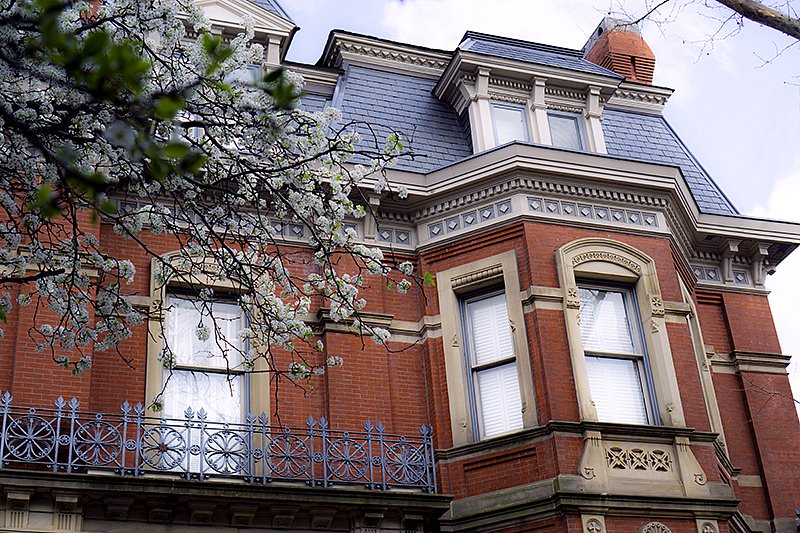
Just stay
All I can ever ask of you is
to stay......
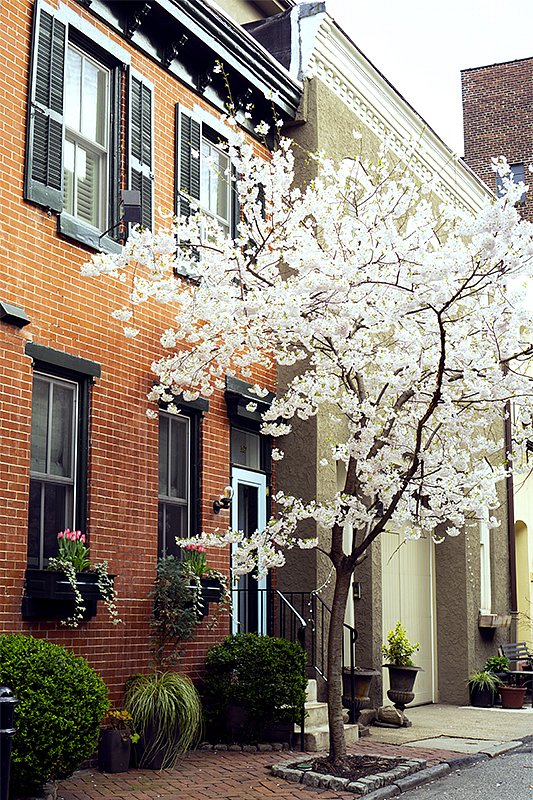
white blooming cherry Blossoms
Expecting too much will only leaves you in TEARS.
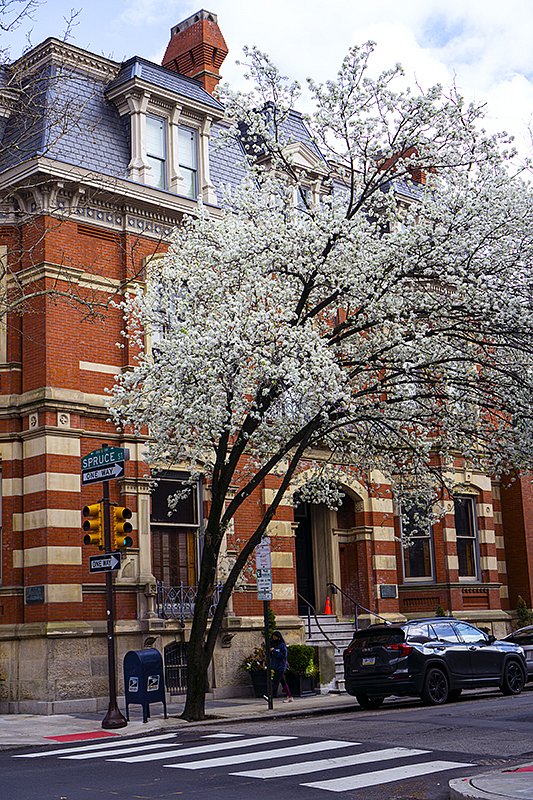
Keep blooming
Always remember how rare you are,
There is no-one quite like you
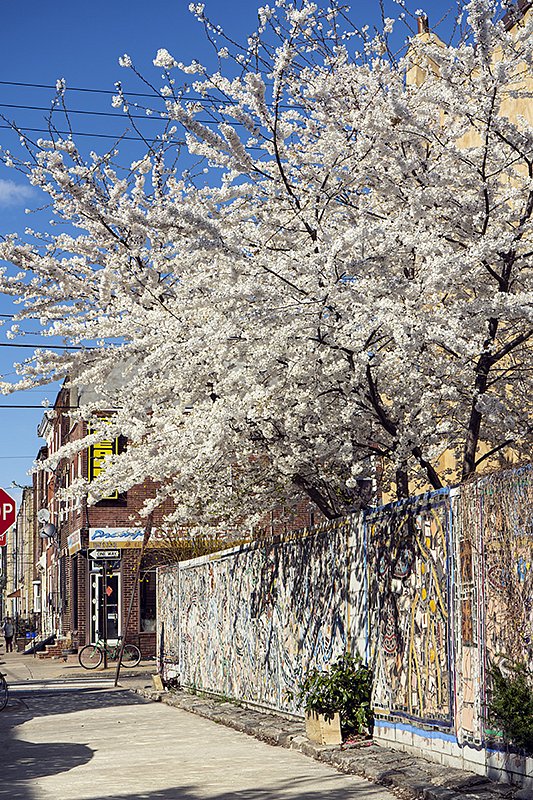
Full Blooms @Dickinson
Wherever life plants, bloom with grace
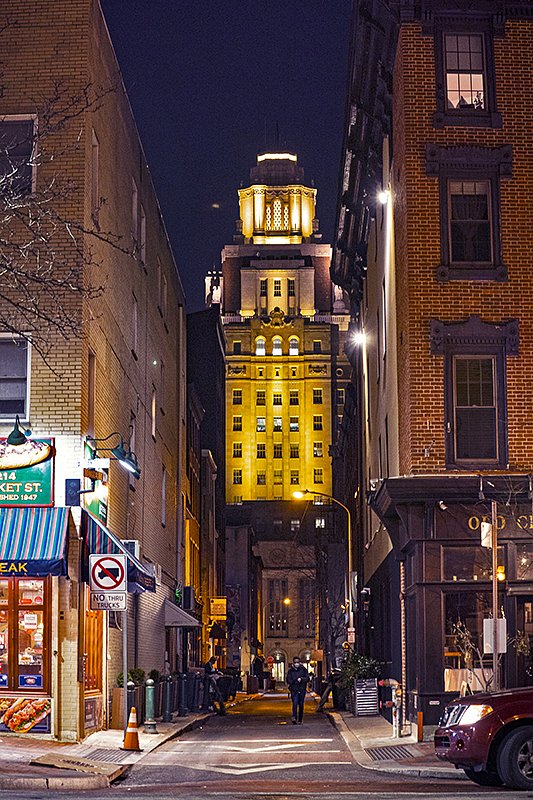
Hidden gem
Sometimes you have to dig through the dirt to find gems
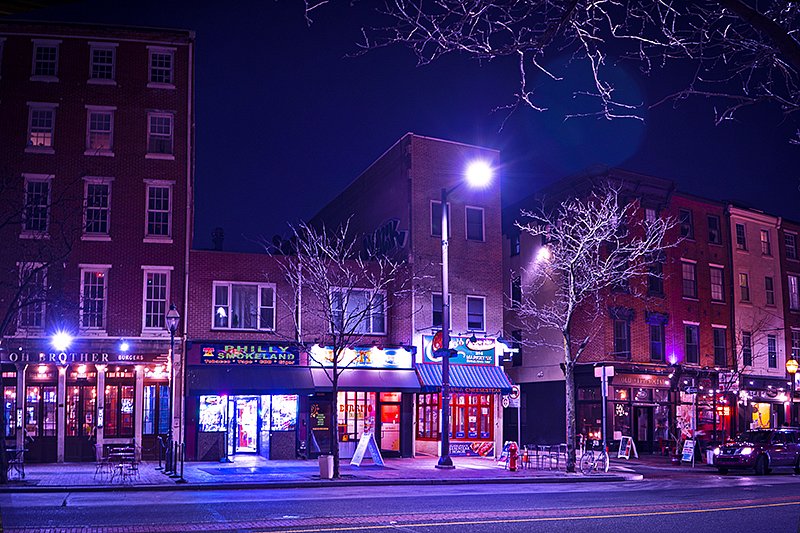
Philadelphia City Life
The city looks even prettier at night
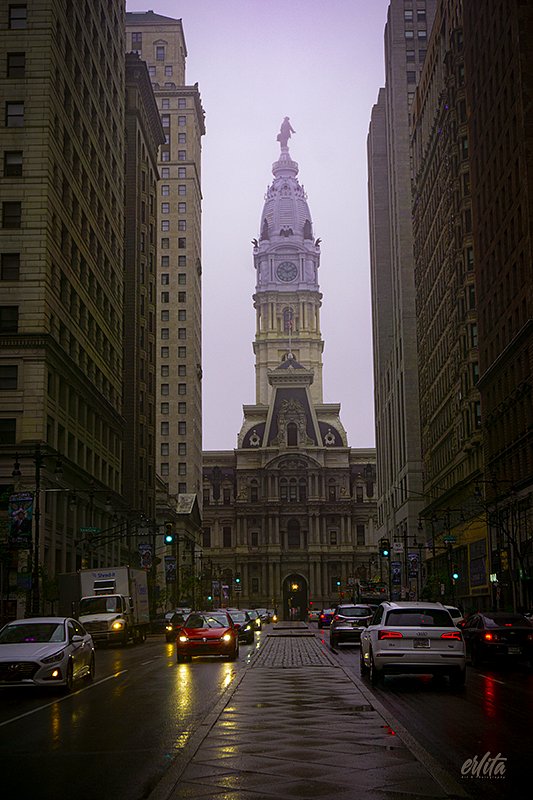

Tulips and Cityhall 1
Spring has sprung

Tulips and Cityhall
Tulip season is here...
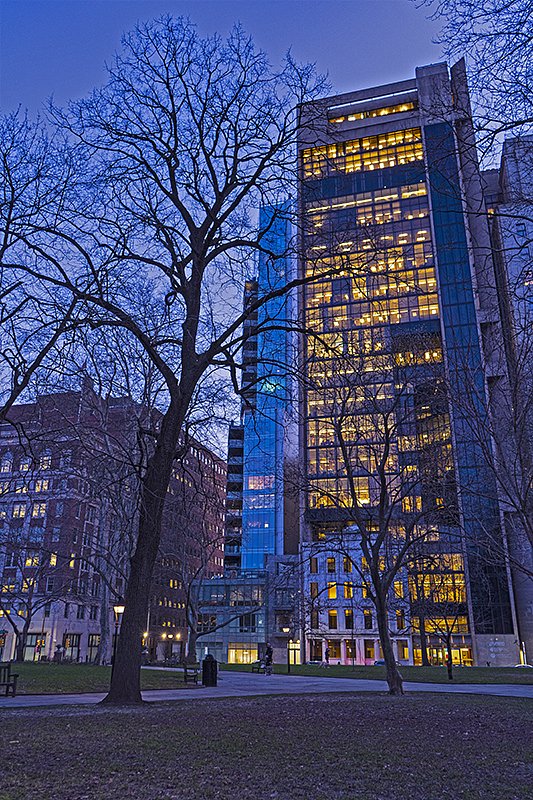
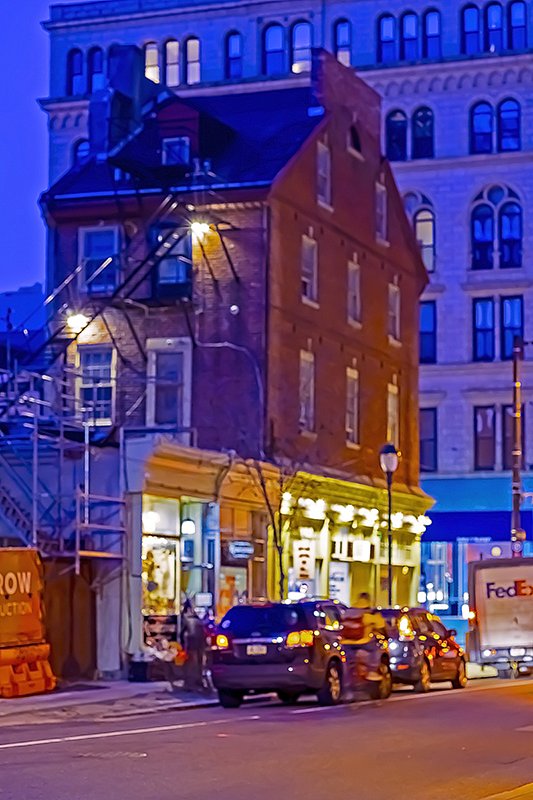


Candle lite
A Candle lights others and consumes itself.
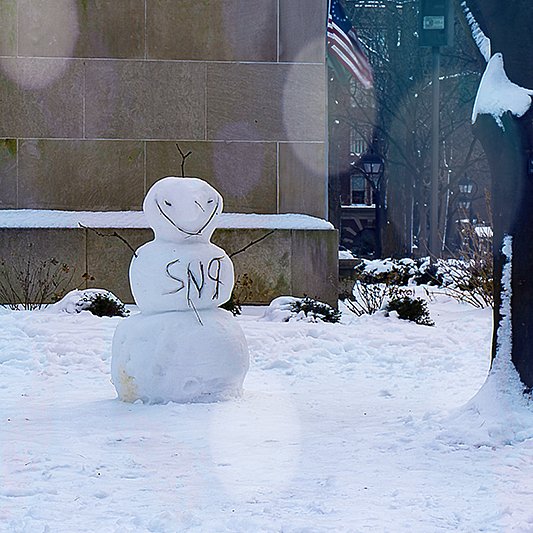
Snowman
keep smiling, even it is cold
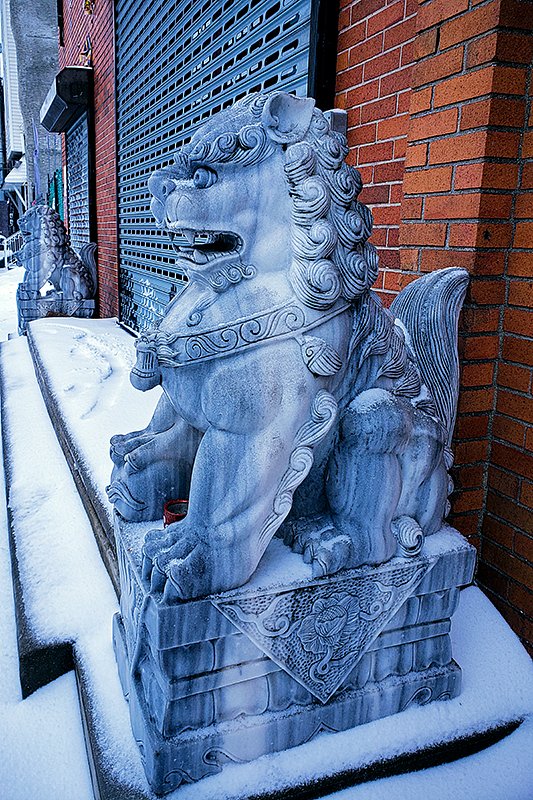
Chinese Guardian Lions
Statues of guardian lions have traditionally stood in front of Chinese Imperial palaces, Imperial tombs, government offices, temples, and the homes of government officials and the wealthy, and were believed to have powerful mythic protective benefits.
The lions are usually depicted in pairs. When used as statuary the pair would consist of a male leaning his paw upon an embroidered ball (in imperial contexts, representing supremacy over the world) and a female restraining a playful cub that is on its back (representing nurture)


Calluna Heather Flower
Heather is seen as iconic of Scotland, where the plant grows widely.
Purple heather is one of the two national flowers of Norway.

Dogwood Flower
The inflorescence of the Pacific dogwood (Cornus nuttallii) is the official flower of the province of British Columbia. The flowering dogwood (Cornus florida) and its inflorescence are the state tree and the state flower respectively for the U.S. Commonwealth of Virginia. It is also the state tree of Missouri and the state flower of North Carolina and the state memorial tree of New Jersey.
A Christian legend of unknown origin proclaims that the cross used to crucify Jesus was constructed of dogwood. As the story goes, during the time of Jesus, the dogwood was larger and stronger than it is today and was the largest tree in the area of Jerusalem. After his crucifixion, Jesus changed the plant to its current form: he shortened it and twisted its branches to ensure an end to its use for the construction of crosses. He also transformed its inflorescence into a representation of the crucifixion itself, with the four white bracts cross-shaped representing the four corners of the cross, each bearing a rusty indentation as of a nail, the red stamens of the flower representing Jesus' crown of thorns, and the clustered red fruit representing his blood.
In the Victorian era, flowers or sprigs of dogwood were presented to unmarried women by male suitors to signify affection. The returning of the flower conveyed indifference on the part of the woman; if she kept it, it became a sign of mutual interest.
The term "dogwood winter", in colloquial use in the American Southeast, is sometimes used to describe a cold snap in spring, presumably because farmers believed it was not safe to plant their crops until after the dogwoods blossomed.
(wikipedia)


Independence Hall
Independence Hall touts a red brick facade, designed in Georgian style. It consists of a central building with belltower and steeple, attached to two smaller wings via arcaded hyphens. The highest point to the tip of the steeple spire is 168 feet 7 1⁄4 inches (51.391 m) above the ground.
The State House was built between 1732 and 1753, designed by Edmund Woolley and Andrew Hamilton, and built by Woolley. Its construction was commissioned by the Pennsylvania colonial legislature which paid for construction as funds were available, so it was finished piecemeal. It was initially inhabited by the colonial government of Pennsylvania as its State House, from 1732 to 1799.
In 1752, when Isaac Norris was selecting a man to build the first clock for the State House, today known as Independence Hall, he chose Thomas Stretch, the son of Peter Stretch his old friend and fellow council member, to do the job. In 1753 Stretch erected a giant clock at the building's west end that resembled a tall clock (grandfather clock). The 40-foot-tall (12 m) limestone base was capped with a 14-foot (4.3 m) wooden case surrounding the clock's face, which was carved by Samuel Harding. The giant clock was removed about 1830. The clock's dials were mounted at the east and west ends of the main building connected by rods to the clock movement in the middle of the building. A new clock was designed and installed by Isaiah Lukens in 1828. The Lukens clock ran consecutively for eight days, "with four copper dials on each side that measured eight feet in diameter and clockworks that ensured sufficient power to strike the four-thousand pound bell made by John Wilbank." The Lukens clock remained in Independence Hall until 1877.
The acquisition of the original clock and bell by the Pennsylvania Colonial Assembly is closely related to the acquisition of the Liberty Bell. By mid-1753, the clock had been installed in the State House attic, but six years were to elapse before Thomas Stretch received any pay for it. (wwikipedia)

Ferris Wheel
A Ferris wheel (or a big wheel in the United Kingdom) is an amusement ride consisting of a rotating upright wheel with multiple passenger-carrying components (commonly referred to as passenger cars, cabins, tubs, capsules, gondolas, or pods) attached to the rim in such a way that as the wheel turns, they are kept upright, usually by gravity.
The original Ferris Wheel was designed and constructed by George Washington Gale Ferris Jr. as a landmark for the 1893 World's Columbian Exposition in Chicago. The generic term Ferris wheel, now used in American English for all such structures, has become the most common type of amusement ride at state fairs in the United States.
The current tallest Ferris wheel is the 167.6-metre (550 ft) High Roller in Las Vegas, Nevada, which opened to the public in March 2014. (wikipedia)

Winter Garden Dilworth PArk
Winter Garden Dilworth Park this year are packed with whimsically-crafted reindeer topiaries, seasonal plantings and an open-air layout

Torn and Broken
Without knowing that mass stormed the Capitol that afternoon, I took this pictures, wondering what people do really think of this torn and broken flag every time they saw it.
What an awful coincidence.,...
It really hurts so much and left a deep scar in every heart. Not only that eyes are crying, but heart is also bleeding......
America, like this flag, we are torn and broken now as a nation.
Remember... "United we stand, divided we fall"

Columbine
Columbine, which is also sometimes called “Granny’s bonnet“, produces very cute flowers that will nicely contribute to the many magnificent bouquets you might imagine.
Most often, you’ll be placing them in a flower bed, but they can also be used along edges or on rocky ground.
Columbine develops a bunch-like bearing, with blue-green leaves, and although alpine varieties stay rather close to the ground, flower bed varieties can tower up to 3 feet (1 meter) tall.
Lastly, columbine tolerates acidic soil very well, and is a great pairing for all types of heather and heath plants.

Honeysuckle
oneysuckles are valued as garden plants, for their ability to cover unsightly walls and outbuildings, their profuse tubular flowers in early summer, and the intense fragrance of many varieties. The hardy climbing types need their roots in shade, and their flowering tops in sunlight or very light shade. Varieties need to be chosen with care, as they can become substantial.
Honeysuckle is renowned for its colorful, fragrant flowers and variously colored fruit, indicating the presence of complex phytochemicals underlying these properties. Component analyses of berries from 27 different cultivars and 3 genotypes of edible honeysuckle (Lonicera caerulea var. kamtschatica) showed the presence of iridoids, anthocyanins, flavonols, flavanonols, flavones, flavan-3-ols, and phenolic acids. While sugars determine the level of sweetness in the berries, organic acids and polyphenols are responsible for the sour taste and tartness..Some 51 of the same compounds in berries are found in flowers, although the proportions of these compounds varied among cultivars studied.

George B. McCloellan
George Brinton McClellan (December 3, 1826 – October 29, 1885) was an American soldier, civil engineer, railroad executive, and politician who served as the 24th Governor of New Jersey
.Artist : Henry Jackson Ellicott (1894)
Type Bronze
Dimensions 4.42 m × 1.5 m × 4.6 m (14 ft 6 in × 5 ft × 15 ft) (wikipedia)

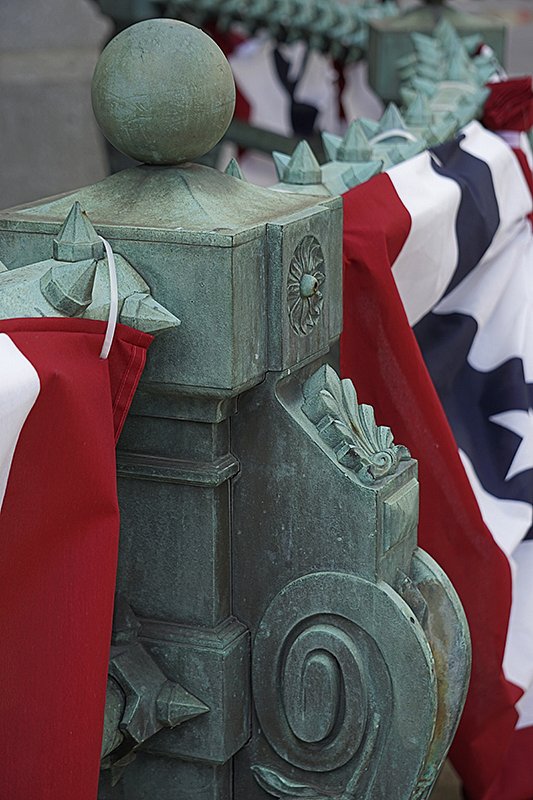
Main gate of Cityhall of Philadelphia
The plans for these gates were actually approved all the way back in 2001, when City Hall’s exterior was in the midst of a huge renovation. The gate’s design was drawn up by the architecture firm Vitetta, but they’re based on sketches made by John McArthur Jr., the original architect of City Hall


Holiday tree at Rittenhouse Sq.
December is the month of decoration and celebration. Although it all starts with the same tradition ( tree lighting ceremony), each spot has their own style.
This holiday tree is quite small, and only decorated and lit by one color of lights. But it looked glowing and on fire after rain showers.


Holiday tree at Cityhall
The annual tradition of lighting a national tree dates back to December 24, 1923, when President Calvin Coolidge pressed a button that lit up more than 2,500 light bulbs strung around a 60-ft.-tall balsam fir tree from his home state of Vermont—reportedly personally felled in “the heart of the Green Mountains” by Middlebury College’s President Paul D. Moody and shipped express to Washington by the school’s alumni.
This year's(2020) tree is a 60-year-old white fir from Yule Tree Farms in New York that's more than 50 feet tall. For the holidays, it will be decorated with multi-color lights and painted ornaments. Two ornaments honoring the Black Lives Matter movement in Philadelphia and across the country are included this year.
(times.com,.phillyvoice.com)


Witherspoon Building
Witherspoon Building is a historic office building located in the Market East neighborhood of Philadelphia, Pennsylvania. It was designed by architect Joseph M. Huston (1866–1940) and built between 1895 and 1897. It was built for the Presbyterian Board of Publications and Sabbath School Work. It is an 11-story, steel frame "E"-shaped building, faced with brick and granite. It has terra cotta decorative elements. Its exterior features Corinthian order and Ionic order columns, statues, medallions, seals of various boards and agencies of the Presbyterian Church and of related Reformed churches. It is named for John Witherspoon (1723–1794), a president of Princeton University.
It was added to the National Register of Historic Places in 1978. (wikipedia)

"%3EFire escape Detail ( Delong Building )%3C/a%3E%3C/strong%3E%3C/p%3E%3Cp%3EIn+1876%2C+Philadelphia+enacted+the+first+municipal+fire+escape+law+in+the+United+States.+This+ordinance+had+been+proposed+by+the+chief+engineer+of+Philadelphia%E2%80%99s+newly+organized%2C+paid+fire+department%2C+partly+in+anticipation+of+the+crowds+expected+to+attend+the+Centennial+Exhibition+but+mainly+because+of+deadly+fires+in+factories.+The+law+created+a+Board+of+Fire+Escapes%2C+which+could+order+the+construction+of+fire+escapes+on+any+building%2C+in+whatever+form+the+board+believed+best.+Significantly%2C+the+law+applied+to+existing+buildings+as+well+as+new+construction%2C+and+by+specifying+that+fire+escapes+be+%E2%80%9Cerected%2C%E2%80%9D+assumed+these+would+be+structures+in+or+on+buildings.%0A%0ASoon+thereafter%2C+in+1879%2C+Pennsylvania%E2%80%99s+legislature+passed+a+fire+escape+law.+Like+the+Philadelphia+law%2C+the+state+act+specified+that+fire+escapes+be+%E2%80%9Cpermanent%2C%E2%80%9D+and+now+they+also+had+to+be+%E2%80%9Cexternal.%E2%80%9D+It+obliged+not+only+building+owners%2C+but+also+building+managers%2C+to+put+in+the+fire+escapes.+The+law+was+ineffective%2C+however.+It+gave+no+guidance+on+what+a+fire+escape+should+be+like%2C+apart+from+being+permanent+and+external.+Moreover%2C+the+legislature+provided+no+resources%2C+no+state+officers%2C+and+no+funds+to+enforce+the+act.+%0A%0APhiladelphia%E2%80%99s+City+Councils+took+the+occasion+of+this+law+to+discontinue+funding+for+the+Fire+Escape+Board%2C+thereby+allowing+the+city%E2%80%99s+ordinance+to+lapse.+Without+any+enforcement%2C+few+building+owners+voluntarily+complied+with+either+law.+For+example%2C+five+years+after+the+ordinance+passed%2C+and+two+after+the+state+law%2C+few+factories+in+Philadelphia+had+fire+escapes.%0A%0A%28philadelphiaencyclopedia.org%29%3C/p%3E)

Fire escape Detail ( Delong Building )
In 1876, Philadelphia enacted the first municipal fire escape law in the United States. This ordinance had been proposed by the chief engineer of Philadelphia’s newly organized, paid fire department, partly in anticipation of the crowds expected to attend the Centennial Exhibition but mainly because of deadly fires in factories. The law created a Board of Fire Escapes, which could order the construction of fire escapes on any building, in whatever form the board believed best. Significantly, the law applied to existing buildings as well as new construction, and by specifying that fire escapes be “erected,” assumed these would be structures in or on buildings.
Soon thereafter, in 1879, Pennsylvania’s legislature passed a fire escape law. Like the Philadelphia law, the state act specified that fire escapes be “permanent,” and now they also had to be “external.” It obliged not only building owners, but also building managers, to put in the fire escapes. The law was ineffective, however. It gave no guidance on what a fire escape should be like, apart from being permanent and external. Moreover, the legislature provided no resources, no state officers, and no funds to enforce the act.
Philadelphia’s City Councils took the occasion of this law to discontinue funding for the Fire Escape Board, thereby allowing the city’s ordinance to lapse. Without any enforcement, few building owners voluntarily complied with either law. For example, five years after the ordinance passed, and two after the state law, few factories in Philadelphia had fire escapes.
(philadelphiaencyclopedia.org)


John Barry
John Barry (March 25, 1745 – September 13, 1803) was an Irish-American officer in the Continental Navy during the American Revolutionary War and later in the United States Navy. He has been credited as "The Father of the American Navy" (and shares that moniker with John Paul Jones, and John Adams) and was appointed a captain in the Continental Navy on December 7, 1775. He was the first captain placed in command of a U.S. warship commissioned for service under the Continental flag.
After the war, he became the first commissioned U.S. naval officer, at the rank of commodore, receiving his commission from President George Washington in 1797.
This bronze statue of John Barry (1745-1803) in Independence Square was sculpted by Samuel Murray (1869-1941), the artist who produced the statue of George Washington in front of Independence Hall. The statue was commissioned by the Friendly Sons of St. Patrick of Philadelphia, who then donated the statue to the City. The piece was modeled by Murray, probably in Philadelphia, in 1906. It was cast by the Roman Bronze Works of Brooklyn, NY. The pedestal was built by the Harrison Granite Co. of Barre, VT. A crowd of 15,000 witnessed the unveiling of the statue on March 16, 1907. A number of details are known about Samuel Murray's execution of the sculpture of John Barry. Murray generally worked from life or used photographs or earlier portraits. In both cases, he first modeled a nude figure to establish the anatomy correctly. Before modeling John Barry, Murray studied Gilbert Stuart's painting of Barry and had a friend pose in Barry's own Revolutionary War uniform. George Washington (ca. 1910; north of Independence Hall), Dr. Joseph· Leidy (1907; Academy of Natural Sciences), and-Rev. Corby (1910; Gettysburg battlefield) are other sculptures by Murray.
A few changes were made to the piece shortly after it was dedicated. In 1912, a bronze tablet was added to the north side of the pedestal, as the inscription cut in the stone was illegible from a distance. In 1913, Samuel Murray repaired a finger on the vandalized statue. In 1915, a change in the grading of the base of the statue was approved by the Art Commission.
(wikipedia, nps.gov)


Ringgold Place House
Ringgold Place House or known as the 1900 block of Waverly Street is comprised of 16 rowhomes, each 14 feet wide by 20 feet deep, with the 9-step front stoops accommodating a raised basement kitchen at street level. Waverly is barely the width of a sedan, with no street parking. When these properties were built in 1862, the street was called Ringgold Place, after Colonel Samuel Ringgold. Stone inlays bearing that name can still be seen on the corner properties(reading, “The Ringgold Place Houses (Built 1862) have been registered on the National Register of Historic Places.”). Construction during the Civil War era necessitated the small size and simple design of the houses, due to the scarcity of materials in wartime.
The small size was also due to their original use as workers’ housing, likely for the Berkshire Cotton Mill located on the next block at 20th Street and Ringgold Place. While 1,000 square feet may seem petite for one family, it is possible that multiple families may have occupied each rowhouse on Ringgold Place! The multiple door (basement and first floor) entries lend themselves to subdivision, and the tendency at the time was to squeeze workers into small quarters and to make the most out of existing housing stock. By 1895 the Berkshire Mills was closed, and the homes promptly transformed into more fashionable abodes, largely encouraged by the growing influence of Rittenhouse Square.
In 1925, architect George Howe purchased the block, and proceeded to update the properties, clean the facades, and added some decorative elements. The corner property of 1900 Waverly served as his office while working on his acclaimed PSFS building. He sold the homes in 1934.
Ringgold Place formally changed to Waverly Street sometime between 1895-1942, and the block was added National Register of Historic Places in 1983. (solorealty)


St. James Apartment
The St. James is a luxury residential skyscraper in Washington Square West, Philadelphia, Pennsylvania, United States. The 498 feet (152 m), 45-story high-rise stands along Walnut Street and Washington Square and is the 15th tallest building in Philadelphia.
The Chicago-style, was designed by Solomon Cordwell Buenz & Associates Inc. with assistance by architectural firm Bower Lewis Thrower. The glass and concrete skyscraper's east and west facade is split between a curved wall, a squared-off wing, and a strip of blue glass that separates them. These buildings included three Federal-style rowhouses built in 1807 called York Row and the Italianate-style former headquarters of the Philadelphia Savings Fund Society, built in 1868–1869. After lying vacant and neglected for years, the only part of York Row preserved were the rowhouses' facades. Only a back portion of the Philadelphia Savings Fund Society building was demolished, the rest being incorporated as retail and office space.
Developer P&A Associates first attempted to develop the site in 1995, but was delayed because of a lack of investor confidence in the project. When the Philadelphia residential market improved in the late 1990s, St. James Associates Joint Venture, a joint venture of P&A Associates and others, began construction in November 2001. The high-rise building, completed in 2004, features 306 units, with each but the studio apartments having a private balcony. Its amenities include a 60 feet (18 m) swimming pool, a private courtyard, and a nine-story parking garage that makes up the base of the building.
The St. James has won several awards, including the 2006 National Association of Home Builders awards for Best Luxury Rental Apartment Primary Market and Best High-Rise Rental Apartment (Wikipedia)


Independence Hall's Clock
In 1752, when Isaac Norris was selecting a man to build the first clock for the State House, today known as Independence Hall, he chose Thomas Stretch, the son of Peter Stretch his old friend and fellow council member, to do the job.
In 1753 Stretch erected a giant clock at the building's west end that resembled a tall clock (grandfather clock). The 40-foot-tall (12 m) limestone base was capped with a 14-foot (4.3 m) wooden case surrounding the clock's face, which was carved by Samuel Harding. The giant clock was removed about 1830. The clock's dials were mounted at the east and west ends of the main building connected by rods to the clock movement in the middle of the building. A new clock was designed and installed by Isaiah Lukens in 1828. The Lukens clock ran consecutively for eight days, "with four copper dials on each side that measured eight feet in diameter and clockworks that ensured sufficient power to strike the four-thousand pound bell made by John Wilbank." The Lukens clock remained in Independence Hall until 1877.
By mid-1753, the clock had been installed in the State House attic, but six years were to elapse before Thomas Stretch received any pay for it.


Cozy under trees
A tree’s growth is based, in part, on competition from its neighbors. Its first priority is to gain access to the sun, and in a forest up is the only way to go.
But this explains why a tree grows tall, not how. How tall a tree will grow is dictated partly by its genes. A tree’s height is also dictated by environmental conditions. Most trees are capable of being taller than they actually are, they’re just limited by deficiencies in light, water, or nutrients.
The tallest trees on the planet are coast redwoods. why? It comes down to water – not so much water supply, but the physics of moving water. We all know trees need water and that it comes from the ground. Transporting water from the roots, on through the trunk, and up to the leaves is a challenge. Unlike in animals, a tree’s vascular system has no heart; there is no pump of any kind. Water is not pushed up the tree. Instead, it is pulled from above: water molecules tend to stick to each other and to other substances. When moisture evaporates from the surface of a leaf, it pulls along a column of water that extends all the way back to the roots. The water is pulled from the soil to replace what was lost above. As a tree grows taller, it becomes increasingly difficult to get water to its topmost leaves. Eventually, this leads to drought stress and reduced photosynthesis and growth.
All trees have to deal with this reality of physics, but those lanky redwoods deal with it better than any others. And according to some researchers, their superiority may derive largely from the fog in which they live. Gigantic redwoods exist only in a narrow band along a few hundred coastal miles in northern California. They grow in wet temperate forests in steep valleys, buffered against wind, and receive well over 100 inches of precipitation annually. These forests are marked by consistently cool, moist conditions and an abundance of fog.
Evidently, redwoods are able to absorb water from fog directly into their leaves. According to the National Park Service, stewards of the tallest of them, fog accounts for 40 percent of a redwood’s moisture intake. So instead of fighting against the physics of pulling hundreds of gallons of water from the soil through the tree’s complex – and really long – vasculature, they avail themselves of a more handy source. With access to water in the fog right near the leaves, the plumbing problem becomes something of a plumbing advantage.(northernwoodlands)


Liberty Bell and Reflection
The Liberty Bell, previously called the State House Bell or Old State House Bell, is an iconic symbol of American independence, located in Philadelphia, Pennsylvania. Once placed in the steeple of the Pennsylvania State House (now renamed Independence Hall), the bell today is located in the Liberty Bell Center in Independence National Historical Park. The bell was commissioned in 1752 by the Pennsylvania Provincial Assembly from the London firm of Lester and Pack (known subsequently as the Whitechapel Bell Foundry), and was cast with the lettering "Proclaim LIBERTY Throughout all the Land unto all the Inhabitants Thereof", a Biblical reference from the Book of Leviticus (25:10). The bell first cracked when rung after its arrival in Philadelphia, and was twice recast by local workmen John Pass and John Stow, whose last names appear on the bell. In its early years, the bell was used to summon lawmakers to legislative sessions and to alert citizens about public meetings and proclamations. (Wikipedia)


A hint of fall
The terms "fall" and "autumn" can be used interchangeably in the United States, though, when it comes down to it, it's actually the term "fall" that is more popular in America. "Autumn" came from the Latin word "autumnus," with the root of the word having connotations regarding "the passing of the year." The term "fall" was likely a deviation from the Old English words "fiaell" and "feallan," both of which mean "to fall from a height." It is assumed that this new name for the season was inspired by trees' falling leaves. (bustle)


Reading Terminal Station
In 1889, the Philadelphia and Reading Railway decided to build a train depot, passenger station, and company headquarters on the corner of 12th and Market Streets. The move came eight years after the Pennsylvania Railroad opened its Broad Street Station several blocks away at 15th and Market Streets, and one year after the Baltimore and Ohio Railroad opened its 24th Street Station at 24th and Chestnut Streets.
ARCHITECTURE:
The headhouse was designed in 1891 by Francis H. Kimball, and the train shed by Wilson Brothers & Company. Construction began that same year, and the station opened on January 29, 1893. At the time, the trainshed was one of the largest single-span arched-roof structures in the world. The following year, the Wilson Brothers would build an even larger trainshed three blocks away, for the Pennsylvania Railroad's Broad Street Station. The Reading's trainshed is now the only such structure left in the United States.
The complex was fronted on Market by an eight-story headhouse that housed the passenger station and company headquarters. Built in the Italian Renaissance style, the headhouse has brick bearing walls with cast-iron columns and timber floors. Interior finishes include molded ornamental plaster and marble with cast-iron detailing.
This station was placed on the National Register of Historic Places in 1972 and was declared a National Historic Landmark in 1976.
Now the remaining space on the concourse levels of the headhouse became retail space. The former Reading Railroad offices on the headhouse's upper floors were converted to meeting and ballroom facilities. It also contains more than 200 rooms for the adjacent Marriott Hotel, to which it is connected by a skywalk and for which it serves as a secondary entrance. (wikipedia)


View from Love park
The tallest building on back is Comcast Center Building. In front of it are Suburban Station (left) and Phoenix Luxury Condominium right)
SUBURBAN STATION ===================
Suburban Station is an art deco office building and underground commuter rail station in Penn Center, Philadelphia. Its official SEPTA address is 16th Street and JFK Boulevard. The station is owned and operated by SEPTA and is one of the three core Center City stations on SEPTA Regional Rail. The station was built by the Pennsylvania Railroad to replace the original Broad Street Station and opened on September 28, 1930. The Comcast Center, situated on the north half of its block near Arch Street, adds a "winter garden" on the south side, which serves as a new back entrance to the station, with the commuter rail tracks about 50 feet below street level. .
PHOENIX LUXURY CONDO ===============
Built in 1925, The Phoenix condo is the former headquarters of the Insurance Company of North America (INA), for many years the oldest shareholder-owned insurance company in the nation.
Built in 1925, The Phoenix condo is the former headquarters of the Insurance Company of North America (INA), for many years the oldest shareholder-owned insurance company in the nation.
Awarded National Historic Landmark status, The Phoenix, in its new incarnation, retains opulent details that have graced the structure since its inception—coffered ceilings, Kasota and Carrera marble floors and walls, ornate bronze paneled elevators, and elaborate mill and plaster work. Every care was taken to preserve the historic details of the Georgian Revival Tower while designing and constructing the building with the most modern technologies and amenities available. The coalescence of old-fashioned craftsmanship and contemporary design gives The Phoenix an elegance rarely seen in modern construction. The Phoenix underwent a major renovation in 2002. Every care was taken to preserve the architectural beauty of the Georgian Revival Tower while providing a “new” building with the latest of technologies and energy efficiency


Religious Architecture
The history of architecture is concerned more with religious buildings than with any other type


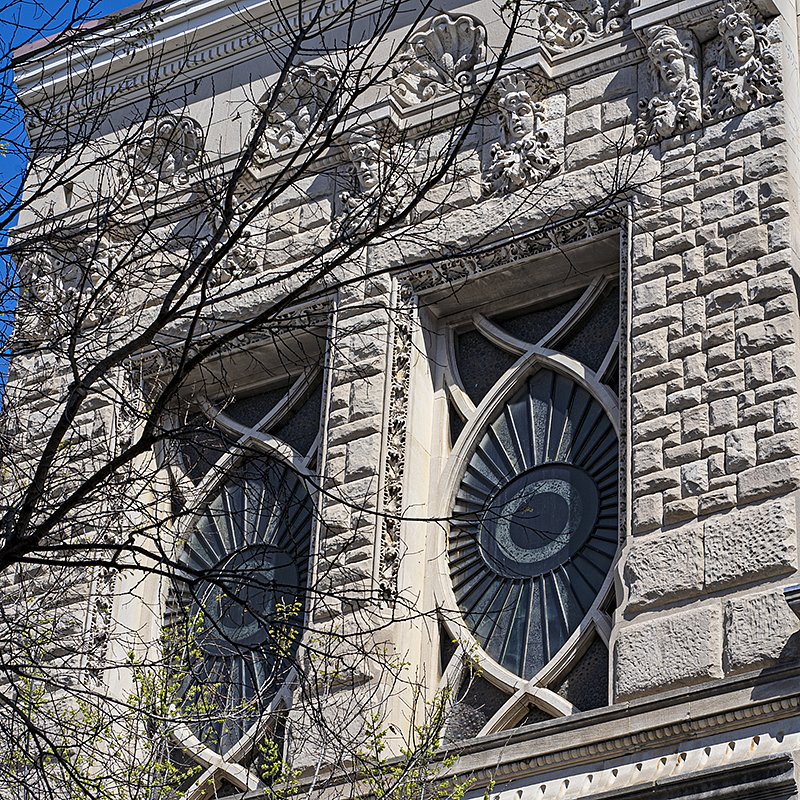
It has eyes
It's less what the eye sees and more what the soul feels


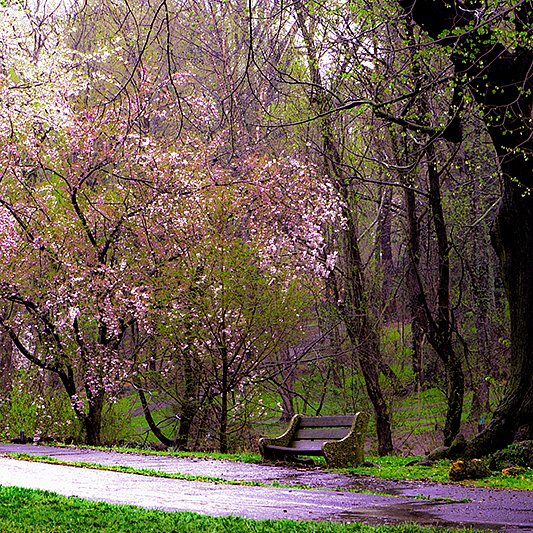
An Empty Bench
Silence is not empty, it is full of answers


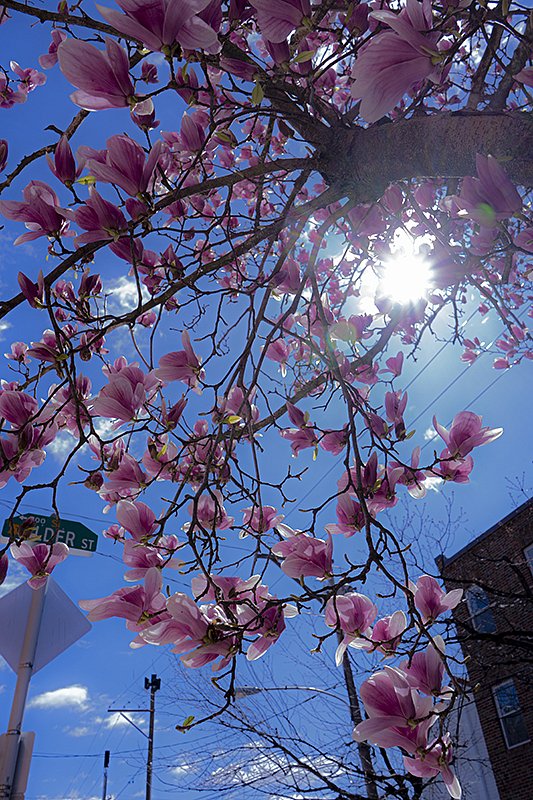
Magnolia in sunny day
Can you really feel the warmth I sent you? The warmth that brings hope, courage and love
The hope for new days of chances and possibilities.
The courage to be a better self, that we owe to ourselves and others
The love is the only thing that made us, was born of, live for and die for...


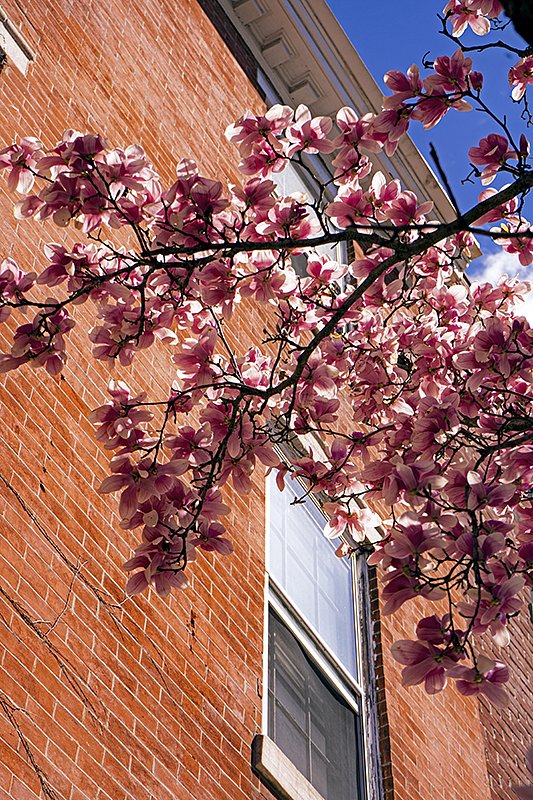
Magnolia by the window
Faith goes up the stairs that love has built and looks out the window which hope has opened.