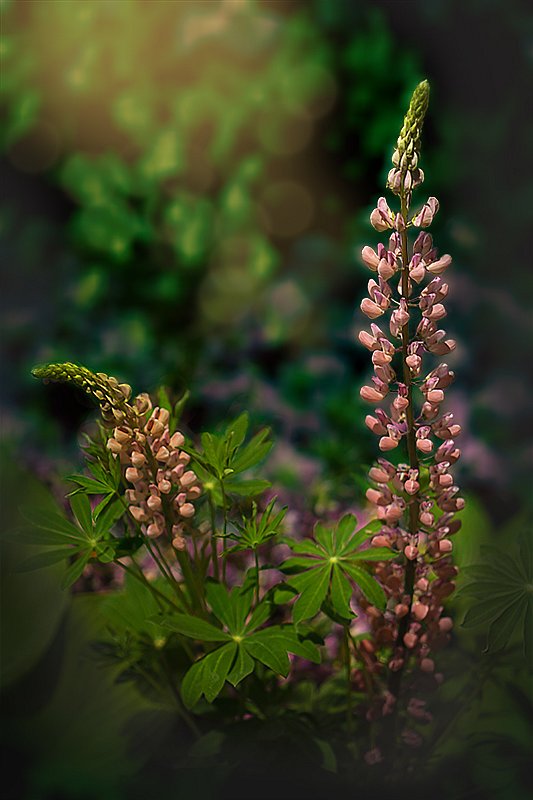
Calluna Heather Flower
Heather is seen as iconic of Scotland, where the plant grows widely.
Purple heather is one of the two national flowers of Norway.

Heather is seen as iconic of Scotland, where the plant grows widely.
Purple heather is one of the two national flowers of Norway.

The inflorescence of the Pacific dogwood (Cornus nuttallii) is the official flower of the province of British Columbia. The flowering dogwood (Cornus florida) and its inflorescence are the state tree and the state flower respectively for the U.S. Commonwealth of Virginia. It is also the state tree of Missouri and the state flower of North Carolina and the state memorial tree of New Jersey.
A Christian legend of unknown origin proclaims that the cross used to crucify Jesus was constructed of dogwood. As the story goes, during the time of Jesus, the dogwood was larger and stronger than it is today and was the largest tree in the area of Jerusalem. After his crucifixion, Jesus changed the plant to its current form: he shortened it and twisted its branches to ensure an end to its use for the construction of crosses. He also transformed its inflorescence into a representation of the crucifixion itself, with the four white bracts cross-shaped representing the four corners of the cross, each bearing a rusty indentation as of a nail, the red stamens of the flower representing Jesus' crown of thorns, and the clustered red fruit representing his blood.
In the Victorian era, flowers or sprigs of dogwood were presented to unmarried women by male suitors to signify affection. The returning of the flower conveyed indifference on the part of the woman; if she kept it, it became a sign of mutual interest.
The term "dogwood winter", in colloquial use in the American Southeast, is sometimes used to describe a cold snap in spring, presumably because farmers believed it was not safe to plant their crops until after the dogwoods blossomed.
(wikipedia)

Columbine, which is also sometimes called “Granny’s bonnet“, produces very cute flowers that will nicely contribute to the many magnificent bouquets you might imagine.
Most often, you’ll be placing them in a flower bed, but they can also be used along edges or on rocky ground.
Columbine develops a bunch-like bearing, with blue-green leaves, and although alpine varieties stay rather close to the ground, flower bed varieties can tower up to 3 feet (1 meter) tall.
Lastly, columbine tolerates acidic soil very well, and is a great pairing for all types of heather and heath plants.

oneysuckles are valued as garden plants, for their ability to cover unsightly walls and outbuildings, their profuse tubular flowers in early summer, and the intense fragrance of many varieties. The hardy climbing types need their roots in shade, and their flowering tops in sunlight or very light shade. Varieties need to be chosen with care, as they can become substantial.
Honeysuckle is renowned for its colorful, fragrant flowers and variously colored fruit, indicating the presence of complex phytochemicals underlying these properties. Component analyses of berries from 27 different cultivars and 3 genotypes of edible honeysuckle (Lonicera caerulea var. kamtschatica) showed the presence of iridoids, anthocyanins, flavonols, flavanonols, flavones, flavan-3-ols, and phenolic acids. While sugars determine the level of sweetness in the berries, organic acids and polyphenols are responsible for the sour taste and tartness..Some 51 of the same compounds in berries are found in flowers, although the proportions of these compounds varied among cultivars studied.

Why do the river freeze? The deeper and wider the river, and the faster the water flow, the less likely it is to freeze. Moving water generates friction, which heats the water (even if only a bit).
In the event that smaller rivers or streams freeze through from the surface to the river bed, fish will most likely already have escaped the impending ice trap by making a temperature-triggered journey from their summer habitats to their more suitable winter ones.
In larger rivers, although they may appear completely frozen, a column of water usually remains liquid below the thick layer of ice. Fish have developed unique physical and behavioral adaptations that allow them to thrive there. Most fish, fresh and marine alike, are poikilothermic, meaning that the temperature inside their body is determined by the temperature of the water around them. So, much like the way humans are less active during cold winter weather, most aspects of fish activity changes in winter waters.
Physical adaptations to winter conditions include a significantly slowed metabolism and slowed swimming abilities. Essentially, fish rely on the lowest energy input and output that they can withstand, hiding out under the ice until waters begin to warm again. Although this makes it difficult for fish to search for food and avoid predators, fish have developed several behavioral adaptations as a trade-off. As winter sets in, fish undergo changes in habitat preference, searching for areas of the river with larger boulders and rocks under which they can hide. They also shift to more overall activity at night; mostly as a means to avoid daytime predation, but also to escape the possibility of being trapped in their rocky hiding places by overnight formations of ice on the river bed. If these submerged ice clusters (called anchor ice,) form in the wrong place during colder nighttime temperatures, they can block the fish’s way out of their hiding place.
(cincinnati.com, fishbio.com)

Canada geese nest in the same region their parents did, often in the same nest every year.
Many people recognize the Canada goose by its distinctive black head, white cheeks, long, black neck and webbed feet. In general, the larger the bird means the longer the neck and the more its body is elongated. Scientists believe, however, that there are 11 confirmed subspecies of geese in Canada, and most differ in appearance. There is a large range in weight between the subspecies, from 1.1 kilograms for the cackling Canada goose to eight kilograms for the giant Canada goose. Wingspans also vary from 90 centimetres to two metres. The under parts for each subspecies can vary in colour, ranging from light pearl-grey to chestnut and blackish brown. Both male and female geese, however, look the same if they're of the same subspecies.
Canada geese can are found in most types of wetland. Although they are waterfowl, they spend as much time on land as they do in the water. In the spring and summer months, the geese eat leaves, flowers, stems, roots, seeds and berries. They will often eat for 12 hours or more a day to consume a sufficient amount of nutrients. They feed even more intensively right before they fly north after the winter, storing energy for an active breeding period and preparing for a lack of food in the spring. Canada geese can also be found grazing on lawns, in parks and on golf courses.
Canada geese normally migrate to southern agricultural areas for the winter. To do so, they fly in the distinct “V” pattern, where one goose is the leader and its flock follows behind in a v-shape. This helps the geese save energy when they migrate, benefit from the air currents passing the leader, permitting them to fly longer distances. The v-shape also allows for an easier coordination of the flock's movements, such as a change in flight speed or direction. The formation lets these changes be communicated quickly and efficiently to all geese in the flock.
When geese are flying in formation, you can often hear them calling to each other. Adult Canada geese have about 13 different calls, ranging from low clucks and murmurs communicated while feeding and loud greeting and alarm calls. Goslings even start to communicate with their parents while they're still in the egg. A gosling can make a call, or peep, if it's distressed or content. (canadiangeographic.ca)

The terms "fall" and "autumn" can be used interchangeably in the United States, though, when it comes down to it, it's actually the term "fall" that is more popular in America. "Autumn" came from the Latin word "autumnus," with the root of the word having connotations regarding "the passing of the year." The term "fall" was likely a deviation from the Old English words "fiaell" and "feallan," both of which mean "to fall from a height." It is assumed that this new name for the season was inspired by trees' falling leaves. (bustle)

A cherry blossom is a flower of many trees of genus Prunus. The most well-known species is the Japanese cherry, Prunus serrulata, which is commonly called sakura
They are widely distributed, especially in the temperate zone of the Northern Hemisphere including Japan, Taiwan, Korea, Mainland China, Nepal, India, Pakistan, Afghanistan, Iran, Myanmar, Thailand, Europe, United States, Canada and West Siberia. Along with the chrysanthemum, the cherry blossom is considered the national flower of Japan.
All varieties of cherry blossom trees produce small, unpalatable fruit or edible cherries..
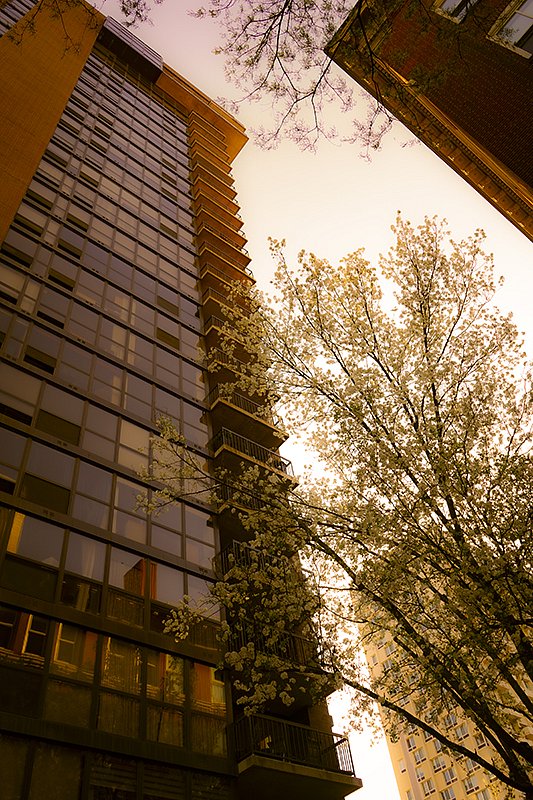
Kiss me in the same way
The red sun, kisses the sky
Beautifully
Magically
Soft
Melt me away, Into the dark
(Clairel Estevez)
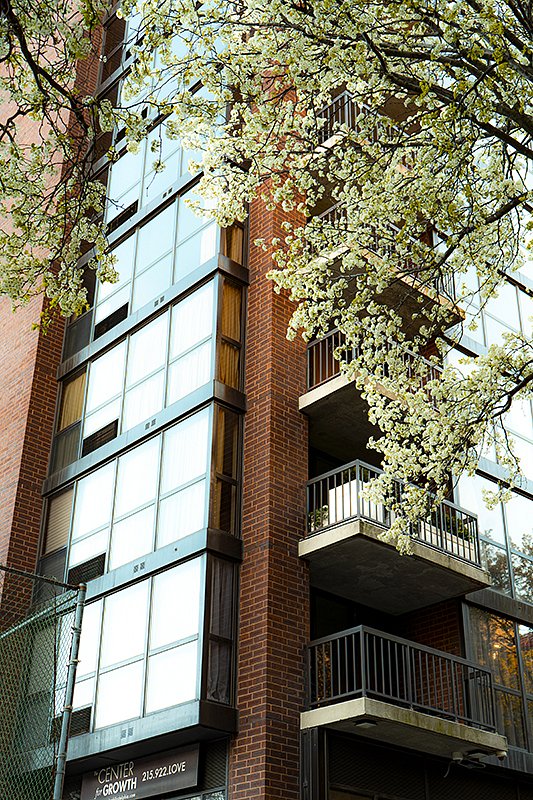
Love is like wild flowers. It's often found in the most unlikely places -anonymous
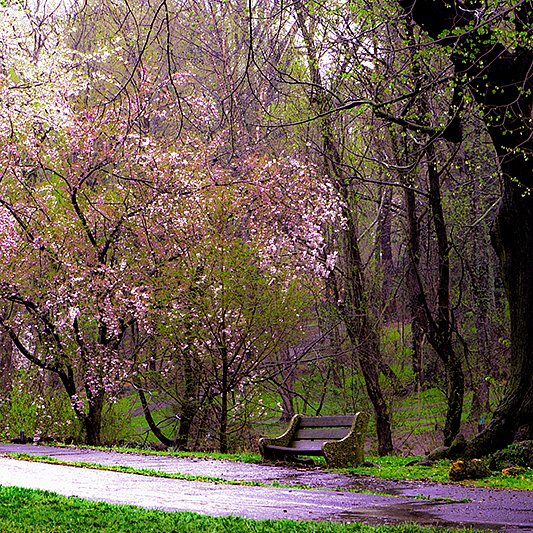
Silence is not empty, it is full of answers
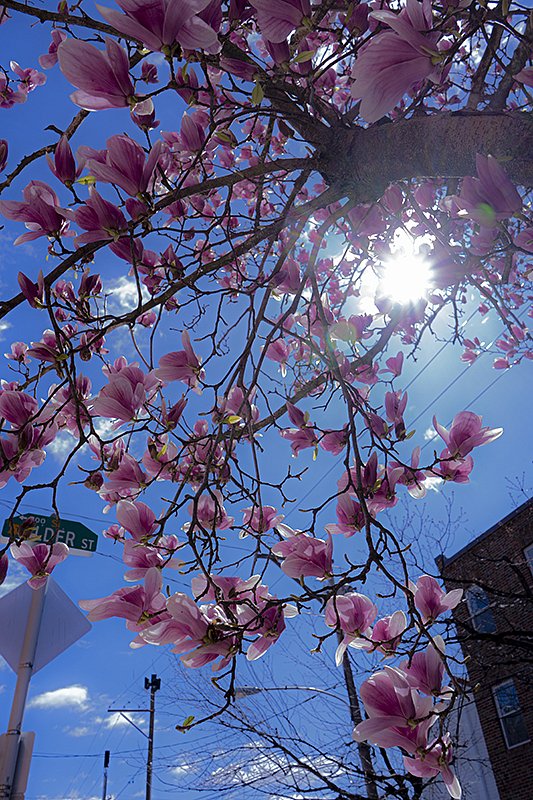
Can you really feel the warmth I sent you? The warmth that brings hope, courage and love
The hope for new days of chances and possibilities.
The courage to be a better self, that we owe to ourselves and others
The love is the only thing that made us, was born of, live for and die for...
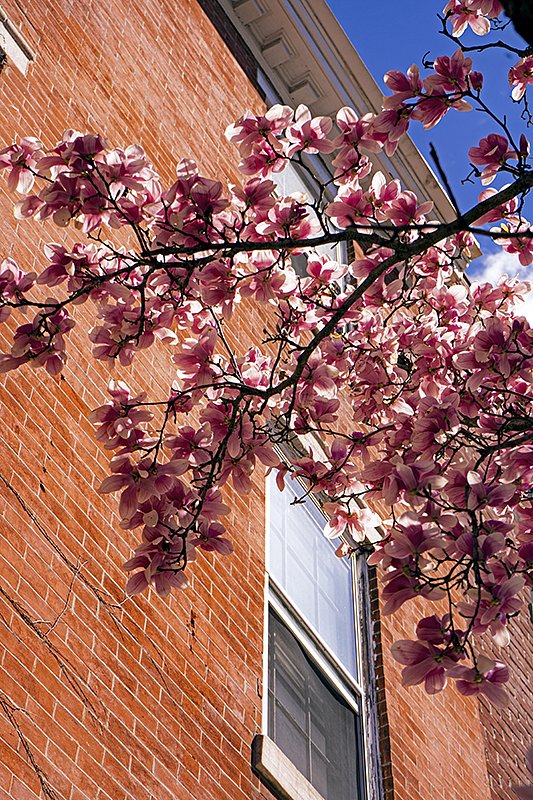
Faith goes up the stairs that love has built and looks out the window which hope has opened.

The park grounds was designed by renowned architect Paul Phillippe Cret. Cret, who also designed the original Barnes Foundation, the Rodin Museum and the Benjamin Franklin Bridge, designed Rittenhouse Square in 1913 and his vision remains today. Cret’s design creates many paths that carry pedestrian traffic through the park. At the center of the park is a central plaza which contains a reflecting pool and an ornately carved stone balustrade. Classical urns with ancient Greek inspired reliefs adorn the entrances of the square. The park also contains a number of significant pieces of public art including Antoine-Louis Barye’s “Lion Crushing a Serpent,” which was inspired by the French Revolution. The park is filled with benches and open green space to serve the thousands who use the park each day. Throughout the park, large century old trees provide ample shade for all who enjoy the square.
For many, Rittenhouse Square serves as the beautiful backdrop for their lunchbreak or their evening constitutionals. The square is also a popular gathering place for nearby young families; children running in the grass and parents pushing strollers is a common sight. But if you wish to do more than enjoy a stroll or relaxing picnic lunch, Rittenhouse Square is also home to a number of events. Rittenhouse Square plays host to flower markets, art shows, craft fairs and weekly farmer’s markets. There are also concerts in the square during the summer months and even a black tie gala. During the winter months Rittenhouse Square gets decked out for the holiday season and celebrations mark the lighting of the park’s Christmas tree and Menorah. All year long there is something happening in Rittenhouse Square. (theconstitutional.com)

This shot was taken during the quarantine time in Philadelphia, fighting the virus of Covid19.
Mostly, the workouts that you can find here are running and biking. Walking your dog or just sit on the grass enjoying the weather with company or book are another activities people love to do here. Of course, with the face-mask on and practicing social distancing.
SIDE FACTS:
The Aramark headquarters moved into this location in 2018.
Situated along the Schuylkill River, the existing structure, originally built as a Hudson Motor Car Company plant in the 1920s, has been transformed into a modern, 600,000 square foot, nine-story building with an emphasis on innovation, sustainability and green space. Aramark occupied the top five floors and nearly 300,000 square feet as the building’s anchor tenant.
As a Fortune 200 global leader in food, facilities management and uniforms, this company employs about 1,200 people in the city and 6,800 in the Greater Philadelphia region

Jessup St is one of the small streets around Philadelphia , where always be the place we want to be at and take a picture during the beginning of spring season.

Human life is mystery/ everybody takes the same road/ yet different path/ some get stuck with the tree and branches/ some are either in muddy, rocky, or sandy road/ some rely on the current that sail them smoothly to the end.
Love is also a mystery/also so fragile/ love can easily turns into hate / and vice versa/
love is so fragile enough to make you realize/there is only a thin line between love and hate

Spring is finally in the air..
ARCHITECTURAL INFO:
Plans for a bridge to augment the ferries across the Delaware River began as early as 1818, when one plan envisioned using Smith/Windmill Island, a narrow island off the Philadelphia shore. But it was only in the 1910s that visions began to approach reality.
Work began on January 6, 1922. At the peak of construction, 1,300 people worked on the bridge, and 15 died during its construction. The bridge was originally painted by a commercial painting company owned by David A. Salkind, of Philadelphia, which also painted the Golden Gate Bridge. The bridge opened to traffic on July 1, 1926, three days ahead of its scheduled opening on the nation’s 150th anniversary. At completion, its 1,750-foot (533-meter) span was the world's longest for a suspension bridge, a distinction it held until the opening of the Ambassador Bridge in 1929.
The name was changed to "Benjamin Franklin Bridge" in 1955
(wikipedia)

Ben Franklin bridge, how we call this bridge, allows for crossings by car, transit by PATCO high-speed rail on a separate rail right-of-way, as well as a popular pedestrian and bike way.
(delawareriverfront)


